
Modern vehicles are no longer judged only by engine performance or exterior design—comfort and convenience are equally important. One of the most critical comfort features inside a car is the Automotive seat adjustment system. From daily commuters to luxury vehicles, adjustable seats ensure ergonomic posture, reduce fatigue, and enhance the driving experience.
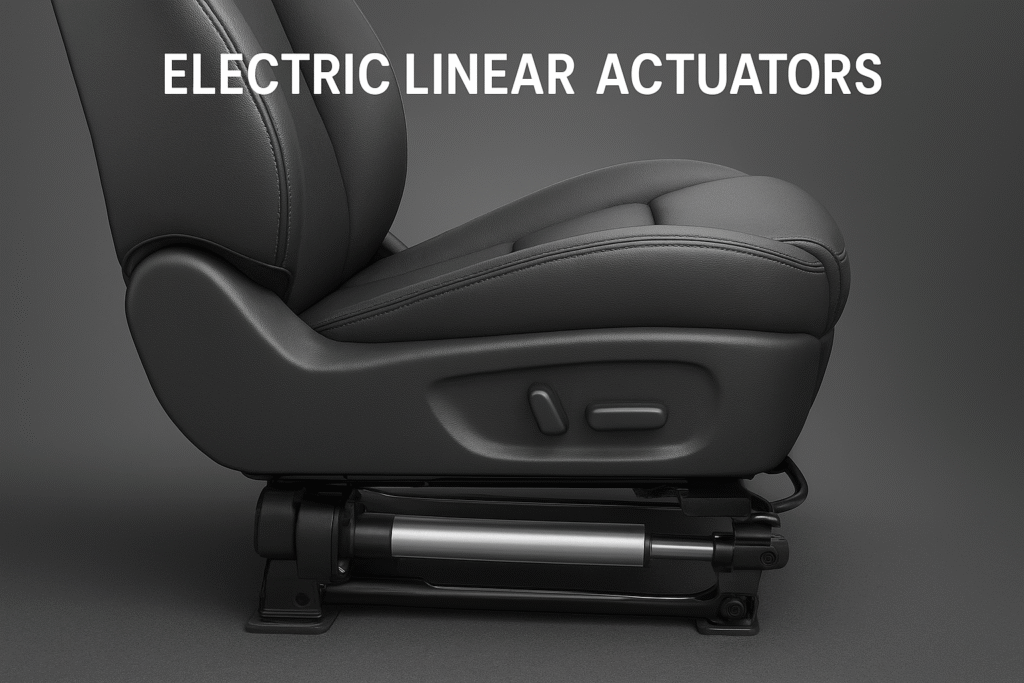
At the heart of this innovation lies the electric linear actuator, a compact yet powerful device that enables smooth, precise, and reliable seat adjustments. Unlike hydraulic or manual systems, electric actuators provide efficiency, low maintenance, and seamless integration with electronic controls.
Why Seat Adjustability Matters in Automotive Design
Seating comfort plays a vital role in both driver and passenger experience. Long journeys can cause fatigue if the seat is not properly aligned with the driver’s body. Adjustable seats allow users to:
- Maintain the correct posture while driving.
- Reduce stress on the spine, neck, and shoulders.
- Improve safety by ensuring better visibility and control.
- Customize comfort based on individual body type and preferences.
This is where electric actuators step in, offering flexibility that goes beyond traditional manual levers.
Applications of Electric Linear Actuators in Automotive Seats
- Seat Height Adjustment
Drivers can raise or lower their seats with precision to align with the dashboard and mirrors. - Backrest Recline
Electric actuators allow smooth reclining at different angles for both comfort and rest. - Seat Slide (Forward/Backward)
Linear actuators move the entire seat forward or backward to suit different leg lengths. - Lumbar Support
Advanced actuator systems provide adjustable lumbar support, helping reduce back strain during long drives. - Massage and Comfort Features
In premium vehicles, actuators help integrate massage functions into seats, offering luxury and health benefits.
Advantages of Electric Actuators in Seat Adjustments
- Quiet Operation – Minimal noise ensures a smooth and pleasant ride.
- Compact Design – Fits easily into modern automotive seat frames.
- Low Maintenance – No hydraulic fluid leaks or frequent servicing required.
- Energy Efficiency – Consumes less power compared to hydraulic systems.
- Smart Integration – Works with vehicle electronics for memory settings (saving preferred seating positions).
Real-World Examples
- Luxury Cars – Use multiple actuators to control seat height, lumbar, headrest, and recline with a touch of a button.
- Commercial Vehicles – Provide ergonomic support for drivers spending long hours behind the wheel.
- Electric Vehicles (EVs) – Integrate lightweight, efficient actuators to align with sustainability goals.
Future Trends in Automotive Seat Automation
As cars evolve towards autonomous driving, actuators will play a key role in transforming seats into multipurpose units. Passengers may recline fully, rotate seats, or even switch to a “rest mode.” Smart actuators with IoT integration will enhance personalization and adjust seats automatically based on driver profiles.
Conclusion
Electric linear actuators are redefining automotive seating comfort by enabling precise, reliable, and user-friendly adjustments. From safety and ergonomics to luxury and smart automation, they ensure that drivers and passengers enjoy a smooth and customized ride experience.
For OEMs and automotive designers, adopting electric actuator solutions is not just about comfort—it’s about delivering next-generation mobility experiences.

Kathir Sudhir Automation India specializes in advanced motion control systems, industrial automation solutions, and medical-grade linear actuator technologies for healthcare and rehabilitation equipment manufacturers.
With recognized industry certifications and multiple awards for innovation in automation systems, the company delivers reliable, high-performance electromechanical solutions tailored for medical and industrial applications.
Certifications & Recognition
Zed Bronze Certificate
Member at Confederation of Indian Industry (CII)
TANSTIA Member Certificate