
In 2026, industrial automation is no longer only about speed. Instead, it focuses on safety, intelligence, and smart decision-making. Therefore, pressure control system and alert systems are essential in high-risk industries.
These systems prevent failures, improve energy efficiency, and maintain product quality. As a result, industries can move from reactive maintenance to predictive operations.
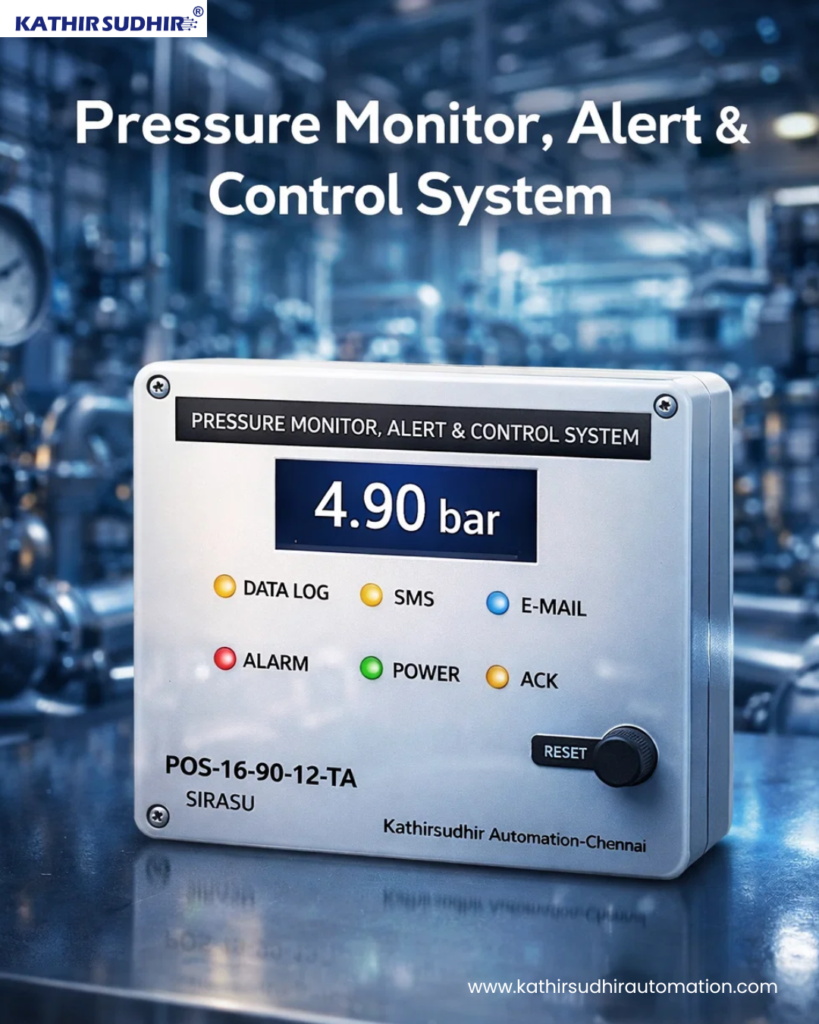
The Invisible Forces Shaping Industrial Excellence
Pressure is invisible. However, it controls almost every automated process. For example, compressed air in a factory, steam in a power plant, or fluid in a chemical reactor must stay stable. Even small deviations can cause downtime or safety risks.
A Pressure Control System measures pressure continuously. Then, it automatically controls equipment to keep pressure within safe limits. In this way, industries achieve precision without constant human intervention.
Why Precise Pressure Sensors Matter
In automation, precision is crucial. Advanced sensors convert pressure into accurate electrical signals. For example, 4–20 mA, 0–10 V, or RS485 signals communicate with PLC, DCS, and SCADA systems.
With accuracy of ±0.25% to ±1% FS, sensors reduce errors, stabilize processes, and ensure reliability. Therefore, systems respond immediately to pressure changes, preventing bigger problems.
Common Types of Pressure Sensors
Different processes need different sensors:
- Gauge Sensors – for hydraulics and pneumatics
- Absolute Sensors – for vacuum or sealed systems
- Differential Sensors – for filters and flow measurement
- Vacuum to High-Pressure Sensors – for ranges up to 10 bar
Additionally, sensors support BSP, NPT, or flanged connections. This makes them versatile for many installations.
Turning Data into Process Improvement
Raw pressure data is useful only when it guides action. Next, modern systems feed data to SCADA or IIoT dashboards. Then, operators can adjust pumps, maintain chemical reactions, and control robot pressure. As a result, productivity rises, waste decreases, and quality stays consistent.
Predictive Maintenance
Modern Pressure Control Systems enable predictive maintenance. For example, they detect small drops, gradual changes, or spikes in pressure. Then, they alert operators about leaks, blockages, or worn seals. As a result, unplanned shutdowns are avoided, equipment lasts longer, and maintenance costs fall.
Smart Sensors in Industrial Automation
Today, smart sensors do more than measure pressure. Moreover, they act as decision-making tools. With IP65/IP67 protection, wide temperature ranges (–20°C to +85°C), and rugged designs, they work in harsh environments. Also, they support Modbus, IO-Link, and RS485 for AI and remote monitoring integration.
Best Practices for Sensor Integration
To get the most value:
- Choose the right pressure range.
- Match output signals with PLC or SCADA.
- Place sensors at critical points.
- Set early-warning alert thresholds.
- Ensure the enclosure protects against dust and water.
Additionally, modern systems are easy to install and maintain. They work for both new plants and retrofits.
Achieving Operational Excellence
Pressure monitoring systems improve multiple industries:
- Oil & Gas / Chemical – prevent blowouts, detect leaks, stabilize reactions
- Manufacturing – control hydraulic and pneumatic tools
- Pharmaceuticals / Healthcare – maintain cleanrooms, compress tablets
- Food & Beverage – ensure consistent pressure in pasteurization and filling
- Power Generation – monitor boilers and turbines
- Water / Wastewater – detect leaks, blockages
As a result, these systems improve safety, energy efficiency, and productivity.
Conclusion
In 2026, pressure monitoring is essential. Therefore, industries must invest in smart Pressure Monitor – Ctrl & Alert Systems. Then, they can ensure safety, predictive maintenance, energy optimization, and high-quality products. Ultimately, these systems lead to operational excellence, smarter automation, and sustainable growth.

Kathir Sudhir Automation India specializes in advanced motion control systems, industrial automation solutions, and medical-grade linear actuator technologies for healthcare and rehabilitation equipment manufacturers.
With recognized industry certifications and multiple awards for innovation in automation systems, the company delivers reliable, high-performance electromechanical solutions tailored for medical and industrial applications.
Certifications & Recognition
Zed Bronze Certificate
Member at Confederation of Indian Industry (CII)
TANSTIA Member Certificate